
Articles
/Electronics
Lead vs. Lag Compensator: Key Differences Explained
Explore the differences between lead and lag compensators, essential tools for enhancing control system performance.
2 min read
Advertisement
Table of Contents
Compensators are essential tools in control systems, designed to enhance performance by tweaking both steady-state and transient responses. Let’s dive into the specifics of two common types: the lead compensator and the lag compensator.
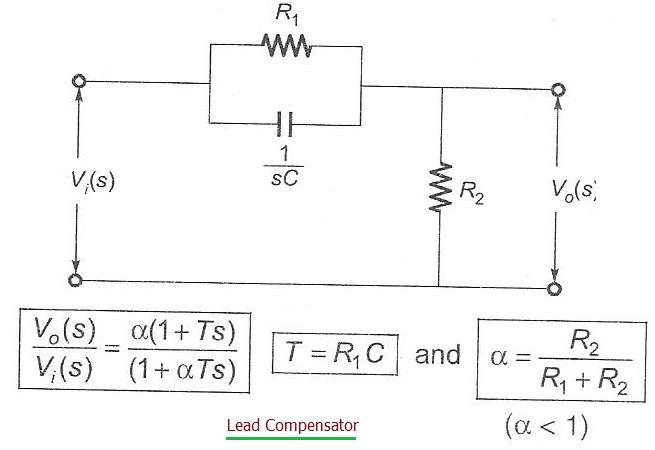
As shown in Figure 1, the lead compensator’s circuit and transfer function resemble those of a Proportional-Derivative (PD) controller. Here’s a breakdown of its key characteristics:
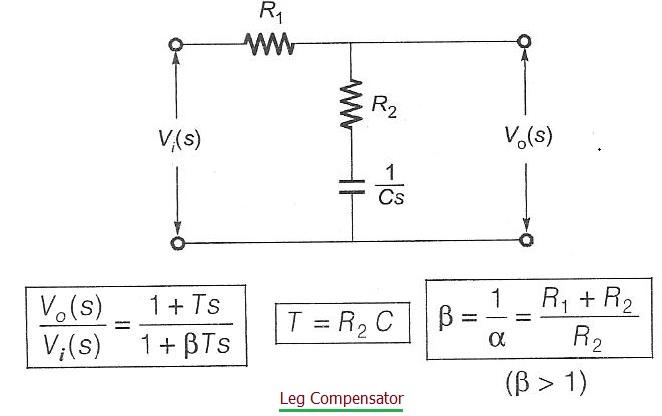
Figure 2 illustrates the lag compensator’s circuit and transfer function, which are similar to those of a Proportional-Integral (PI) controller. Here are its main features:
To put it simply:
In essence, choosing between a lead or lag compensator (or a combination of both, known as a lead-lag compensator) depends on the specific performance goals and limitations of the control system you are working with.
Advertisement
Articles
/Electronics
Explore the differences between lead and lag compensators, essential tools for enhancing control system performance.
Articles
/Electronics
Explore the differences between controllers and compensators in control systems. Understand their unique roles in error reduction and system response shaping.
Articles
/Electronics
Explore the differences between PD, PI, and PID controllers, including their characteristics, advantages, and disadvantages for control systems.