
Terminology
/General
Understanding Lux and Illuminance: A Guide to Light Levels
This article explains lux (illuminance), its relationship to lumens and footcandles, and provides recommended light levels for different environments.
2 min read
Advertisement
Table of Contents
This article explores the pros and cons of using a pulse oximeter, a device crucial for monitoring oxygen levels in the blood. We’ll delve into its benefits and highlight potential drawbacks.
Oxygen is essential for human survival. Our organs rely on it for metabolism, and a deficiency, known as “Hypoxia,” can have serious consequences. Various factors can hinder oxygen delivery to tissues, potentially leading to injury or even death if left unaddressed. A pulse oximeter is a handy tool that measures SpO2 (oxygen saturation) and pulse rate (in beats per minute). It also displays the waveform detected by its sensor. The device connects to a patient through a probe and comprises a monitor with a display, a microprocessor, batteries, and the crucial probe itself.
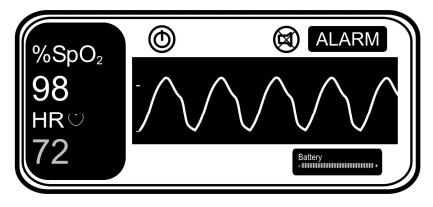
The pulse oximeter measures two key parameters:
Here are some of the key advantages of using a pulse oximeter:
While incredibly useful, pulse oximeters also have some drawbacks:
In conclusion, pulse oximeters are vital medical tools that offer numerous benefits, particularly in early detection of hypoxia. However, they require careful handling and awareness of their limitations to ensure accurate and reliable readings.
Advertisement
Terminology
/General
This article explains lux (illuminance), its relationship to lumens and footcandles, and provides recommended light levels for different environments.
Equipments
/Wireless
Overview of WLAN test equipment including RF testers (VSG, VSA) and protocol analyzers for conformance and pre-certification testing.
Terminology
/General
Explore the fundamentals of BGA packaging, including PBGA, CPBGA, CBGA, and TBGA types. Learn about their features, advantages, disadvantages, and applications.