
Articles
/General
LiFi vs Ethernet: Difference between Li-Fi and Ethernet
This article compares Lifi and Ethernet, detailing their speeds, applications and key differences to help users choose the right internet technology.
3 min read
Advertisement
Table of Contents
This article explores the key differences between three common types of connection interfaces: USB, Ethernet, and Firewire. We’ll delve into their features, speeds, and typical applications to help you understand which is best suited for different tasks.
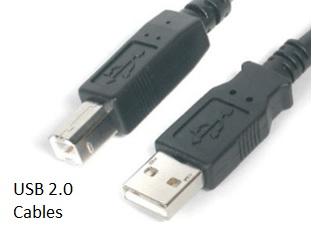
USB has become the standard for connecting peripherals to computers and other devices. Here’s a breakdown of its characteristics:
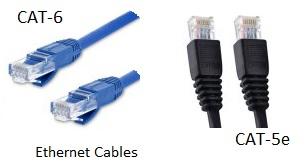
Ethernet is the primary standard for creating local area networks (LANs) and connecting devices for internet access. Let’s examine its features:
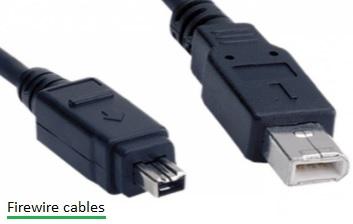
Firewire, also known as IEEE 1394, is a high-speed interface often used in professional audio and video equipment. Here’s a look at its specifics:
Each of these interfaces serves distinct purposes. USB’s widespread adoption and versatility make it a go-to for general peripherals. Ethernet’s strengths lie in networking and creating local networks for sharing data and resources. Firewire, while less common, is still valuable in applications needing high-speed data transfer, especially in professional video and audio fields. Understanding their differences helps you choose the best connection type for your specific needs.
Advertisement
Articles
/General
This article compares Lifi and Ethernet, detailing their speeds, applications and key differences to help users choose the right internet technology.
Articles
/Networking
A comparison of CAT5, CAT5e, CAT6, and CAT6A Ethernet cables, detailing their speeds, bandwidth, and ideal use cases.
Terminology
/General
Explore the key differences between IDE and SATA storage interfaces, including speed, hot-plugging, cable types, and airflow.