
Terminology
/General
Viscosity vs Rheology: Understanding the Difference
Explore the concepts of viscosity and rheology, their key differences, and how they are measured. Learn about their applications in fluid and material analysis.
3 min read
Advertisement
Table of Contents
When it comes to measuring the flow properties of materials, two instruments often come into play: the viscometer and the rheometer. While they both deal with viscosity, there are significant differences between them. Let’s explore what makes each unique.
A viscometer is an instrument designed to measure the viscosity of a fluid. It provides a reading of how resistant a fluid is to flow.
Limited Shear Rate Range: Viscometers typically measure viscosity over a limited range of shear rates. This means they are most accurate within specific flow conditions.
Measures Viscosity: The primary function of a viscometer is to determine the viscosity of a fluid.
Single Flow Condition: Viscometers generally operate under one flow condition at a time.
Various Types: There are several types of viscometers, each suited for different applications. These include:
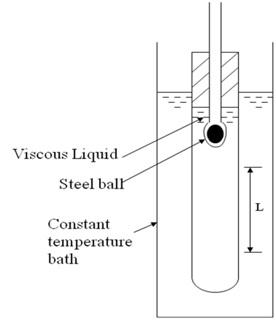
Figure 1: An example of a falling sphere viscometer
A rheometer is a more advanced instrument that measures a broader range of flow properties than a viscometer. It measures not just viscosity but also the viscoelasticity of fluids, semi-solids, and even solids.
Wide Shear Rate Range: Rheometers measure viscosity over a much wider range of shear rates, making them suitable for complex fluids with varying flow behaviors.
Measures Rheological Properties: Rheometers are used to determine the rheological properties of a substance, which include its viscosity, elasticity, and other flow behaviors.
Complex Fluids: They are particularly useful for liquids whose viscosities change with flow conditions.
Diverse Types: Rheometers also come in various forms, including:
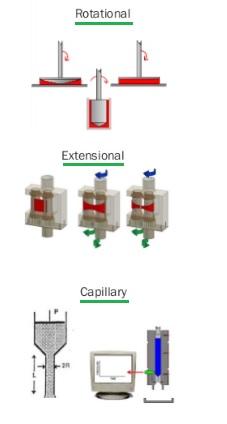
Figure 2: Examples of different rheometer types
Here’s a concise breakdown of the differences:
 Figure 3: A visual comparison of the shear rate ranges of viscometers and rheometers
In essence:
A rheometer is a viscometer, but a viscometer is not a rheometer. The shear rate range of a viscometer is limited, while a rheometer offers a broader spectrum of measurement.
Choosing between a viscometer and a rheometer depends heavily on the material being tested and the specific information needed about its flow properties.
Advertisement
Terminology
/General
Explore the concepts of viscosity and rheology, their key differences, and how they are measured. Learn about their applications in fluid and material analysis.