
Measurements
/Flow
Differential Pressure Flowmeters: Advantages and Disadvantages
Explore the pros and cons of differential pressure flowmeters, a common technology for measuring fluid flow rates. Learn about their versatility and limitations.
2 min read
Advertisement
Table of Contents
Let’s explore the pros and cons of using ultrasonic flowmeters for measuring fluid flow. These devices utilize ultrasonic transducers, often piezoelectric crystals, to determine the average velocity of a fluid by analyzing the transit time of ultrasound waves. By measuring the difference in transit times between pulses traveling with and against the flow, these flowmeters provide accurate readings. The placement of these crystals can vary depending on the specific flow measurement setup. Importantly, the input and output of an ultrasonic flowmeter maintain a linear relationship.
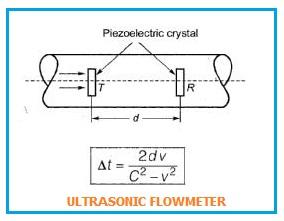
Here’s a rundown of the key advantages that make ultrasonic flowmeters a popular choice:
While ultrasonic flowmeters have a lot to offer, there are some disadvantages to consider:
Advertisement
Measurements
/Flow
Explore the pros and cons of differential pressure flowmeters, a common technology for measuring fluid flow rates. Learn about their versatility and limitations.
Measurements
/Flow
Explore the benefits and drawbacks of electromagnetic flowmeters, including their ability to handle slurries and conductive liquids, along with limitations due to conductivity requirements.
Measurements
/General
Explore various flow measurement methods, including variable head, variable area, and instruments like Venturimeters, Orifice meters, and Ultrasonic flowmeters.