
Equipments
/Electronics
Understanding LED integrating Sphere, its applications and Benefits
Explore the basics of LED Integrating Sphere basics, its applications and benefits.
3 min read
Advertisement
Table of Contents
When it comes to measuring the total light output of lamps and luminaires, two primary methods and pieces of equipment stand out: the goniophotometer and the integrating sphere. Each has its unique strengths and weaknesses, making them suitable for different types of light measurement. Let’s delve into the details of each.
A goniophotometer is a sophisticated instrument designed to measure the light intensity of LED luminaires and their distribution in various directions. Here’s a closer look at its features:
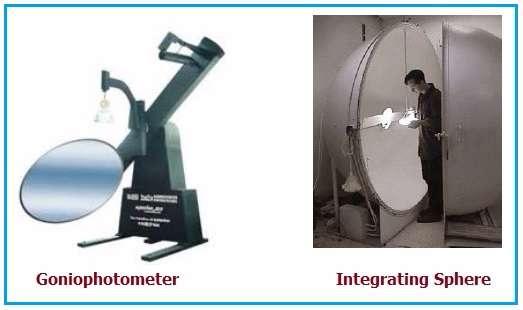
An integrating sphere, on the other hand, takes a different approach to light measurement. Here are its key characteristics:
To further highlight the differences, here’s a comparison table summarizing the key aspects of each method:
| Feature | Goniophotometer | Integrating Sphere |
|---|---|---|
| Cost | Expensive | Inexpensive |
| Speed | Slow | Fast |
| Use | Traditionally for directional and non-directional lamps | Traditionally for non-directional lamps |
| Typical Testing Cost | About AUD $1000 per lamp | About AUD $100 per lamp |
Key Takeaways
Choosing between a goniophotometer and an integrating sphere depends heavily on the specific measurement requirements. Consider what information you need – total output or detailed distribution – and select the method that best aligns with your objectives.
Advertisement
Equipments
/Electronics
Explore the basics of LED Integrating Sphere basics, its applications and benefits.
Articles
/Lighting
A brief overview of key organizations (IEC, UL, ANSI, IESNA, NEMA, BEE, EU) and their respective standards governing LED testing.
Equipments
/Electronics
An overview of LED and luminaire test equipment, covering measurements, manufacturers, and key parameters. Essential for ensuring product quality and reliability.