
Articles
/Measurements
Advantages and Disadvantages of Digital Flow Meters
This article outlines the pros and cons of digital flow meters compared to traditional mechanical types, discussing reliability, accuracy, and power requirements.
2 min read
Advertisement
Table of Contents
Flow meters are essential tools for measuring the rate at which fluids move through a system. Two primary types of flow meters exist: mechanical and digital. This article will delve into the differences between these two types, highlighting their strengths and weaknesses.
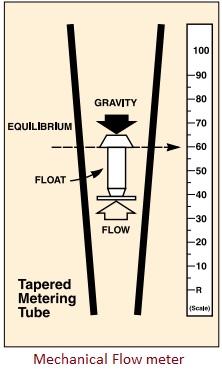
Mechanical flow meters, like the variable area flow meter (or rotameter) depicted above, operate on basic mechanical principles.
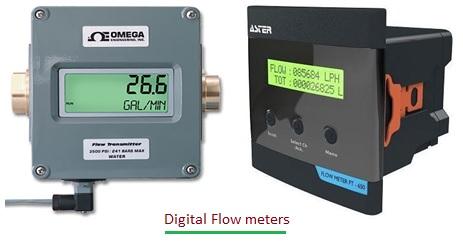
Digital flow meters offer an alternative with electronic capabilities.
The following table highlights the core differences between mechanical and digital flow meters:
| Specifications | Mechanical Flow Meter | Digital Flow Meter |
|---|---|---|
| Reliability | Less | More |
| Accuracy/Precision | Less | More |
| Cost | Lower | Higher |
| Construction | Mechanical operation | Electrical operation |
| External Power | No | Yes |
| Display Type | Analog | Digital |
| User Friendliness | Difficult to read due to scale | Easy to read with numerical display |
Advertisement
Articles
/Measurements
This article outlines the pros and cons of digital flow meters compared to traditional mechanical types, discussing reliability, accuracy, and power requirements.
Terminology
/General
Understand the core differences between flow meters, which measure flow rate, and flow switches, which detect the presence or absence of flow.
Measurements
/Flow
A comparison of mechanical and magnetic flow meters, detailing their principles, advantages, and disadvantages.