
Measurements
/Flow
Differential Pressure Flowmeters: Advantages and Disadvantages
Explore the pros and cons of differential pressure flowmeters, a common technology for measuring fluid flow rates. Learn about their versatility and limitations.
1 min read
Advertisement
Table of Contents
This article explores the differences between two common types of differential pressure flow meters: the Venturi meter and the Orifice meter. These devices, along with flow nozzles, are used to measure fluid flow by creating a pressure difference within the flow path.
Essentially, these meters work by introducing a restriction in the fluid’s path. This restriction causes a pressure drop, and by measuring this pressure difference, we can determine the flow rate.
Let’s take a closer look at each meter individually:
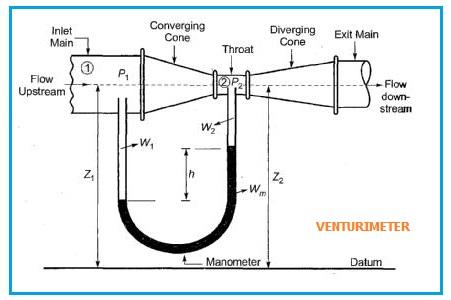
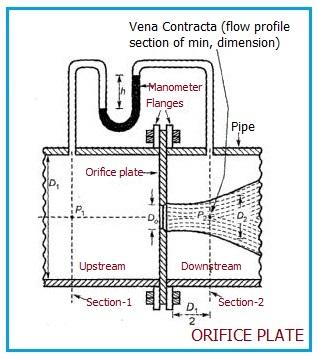
Here’s a summary of the key differences between the two meters:
| Feature | Venturi Meter | Orifice Meter |
|---|---|---|
| Cost | Higher | Lower |
| Size | Larger | Smaller |
| Head Loss | Low | High |
| Coefficient of Discharge | High | Low |
Advertisement
Measurements
/Flow
Explore the pros and cons of differential pressure flowmeters, a common technology for measuring fluid flow rates. Learn about their versatility and limitations.
Measurements
/Flow
An overview of the benefits and drawbacks of using venturimeters for fluid flow measurement, covering head loss, flow rate, positioning, and installation considerations.
Terminology
/General
Explore the distinctions between Venturi flumes and Venturi meters, focusing on their design, applications, and measurement characteristics.