
Terminology
/General
Flow Meter vs. Flow Transmitter: Key Differences Explained
Understand the differences between flow meters and flow transmitters, their functions, outputs, and use cases in flow measurement systems.
2 min read
Advertisement
Table of Contents
Both peak flow meters and spirometers are valuable tools for assessing lung function, but they measure different aspects and have distinct characteristics. Let’s delve into the differences between these two devices.
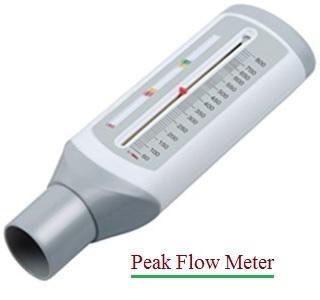
Peak Flow Meter: This device measures the rate at which you can forcefully exhale air from your lungs. Think of it as measuring how quickly you can blow out.
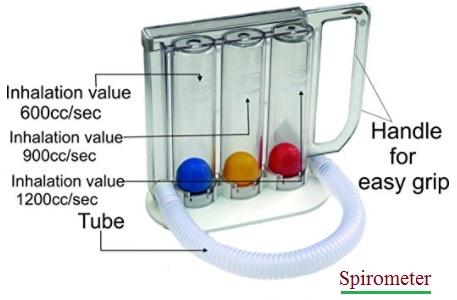
Spirometer: This device measures the volume of air you inhale and exhale. It’s focused on how much air your lungs can hold and how effectively you can move it.
Peak Flow Meter: It’s generally a more affordable option and is smaller and more compact, making it portable and easy to use at home.
Spirometer: This is a costlier device and tends to be larger in size, often requiring a clinical or lab setting.
Peak Flow Meter: Typically cylindrical in shape, making it easy to hold and use.
Spirometer: Usually rectangular or square, with various components and attachments.
The results are categorized into zones based on your personal best reading:
Spirometers provide more detailed measurements, particularly:
FVC (Forced Vital Capacity): Measures the maximum amount of air you can exhale after a deep breath.
FEV-1 (Forced Expiratory Volume in 1 second): Measures the volume of air you can forcefully exhale in the first second.
These measurements are compared to predicted values based on age, gender, height, and ethnicity to assess lung function.
| Feature | Peak Flow Meter | Spirometer |
|---|---|---|
| Measurement | Rate of air expelled from the lungs | Volume of air exhaled or inhaled from the lungs |
| Cost | Cheaper | Costlier |
| Size | Smaller and compact | Larger |
| Shape | Cylindrical | Rectangular or square |
| Key Results | Green, Yellow, Red Zones based on baseline | FVC and FEV-1 |
| Primary Use | Monitoring asthma and other respiratory conditions at home | Comprehensive assessment of lung function in a clinic or lab setting |
In summary, while both devices play a crucial role in respiratory health, they serve different purposes. A peak flow meter is often used for day-to-day monitoring, especially for conditions like asthma, while a spirometer provides more detailed lung function analysis, often in a clinical setting.
Advertisement
Terminology
/General
Understand the differences between flow meters and flow transmitters, their functions, outputs, and use cases in flow measurement systems.
Terminology
/General
Understand the core differences between flow meters, which measure flow rate, and flow switches, which detect the presence or absence of flow.
Terminology
/General
Explore the distinctions between Venturi flumes and Venturi meters, focusing on their design, applications, and measurement characteristics.