
Terminology
/General
Lux vs Lumens: Understanding the Difference
This article explains the difference between lux and lumens, two key measurements in lighting, and how they relate to light intensity and total light output.
3 min read
Advertisement
Table of Contents
When it comes to illumination and lighting design, two key factors often come into play: the depreciation factor and the reflection factor. These two concepts help us understand how light behaves in a given environment and how efficiently we’re using it. Let’s dive into what makes them different.
Light, as emitted from a source, doesn’t always reach its intended target at full strength. Over time, dust and dirt can accumulate on the light source, reducing its output. Consequently, less light reflects from surfaces like the ceiling. While regular cleaning and maintenance can help mitigate this loss, it’s impossible to maintain a perfectly clean environment. That’s where the depreciation factor comes into play.
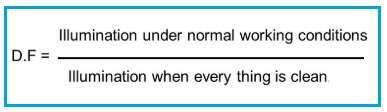
The depreciation factor is directly related to the cleanliness of the light source, its shade, reflector, and surrounding fixtures. Here’s a breakdown:
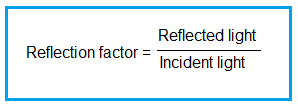
The reflection factor, on the other hand, focuses on how light interacts with surfaces in a room. Here’s what defines it:
| Feature | Depreciation Factor | Reflection Factor |
|---|---|---|
| Focus | Cleanliness of light source and fixtures | Light interaction with surfaces |
| Meaning | Light loss due to dirt and aging | Amount of light reflected by a surface |
| Value Range | Typically 0.6 to 0.8 | Always less than 1 |
| Influenced by | Maintenance and cleaning habits | Color and properties of surroundings |
| Inverse of | Maintenance Factor | Not related to any inverse factor |
In essence, the depreciation factor addresses how well the light source maintains its output, while the reflection factor deals with how efficiently the room uses that light. Understanding both is crucial for effective lighting design and management.
Advertisement
Terminology
/General
This article explains the difference between lux and lumens, two key measurements in lighting, and how they relate to light intensity and total light output.
Terminology
/General
This article explains lux (illuminance), its relationship to lumens and footcandles, and provides recommended light levels for different environments.
Terminology
/General
A glossary of common terms used with network analyzers, including transmission coefficient, insertion loss, gain, reflection coefficient, return loss, and S-parameters.