
Terminology
/General
Radiometer vs. Spectrometer vs. Spectroradiometer: Key Differences
Explore the distinct functions and applications of radiometers, spectrometers, and spectroradiometers in light measurement.
3 min read
Advertisement
Table of Contents
Microscopes and telescopes are both powerful optical instruments, but they serve vastly different purposes. While they both help us see things that are difficult to view with the naked eye, they focus on opposite ends of the size spectrum: microscopes magnify tiny objects, and telescopes bring distant objects closer.
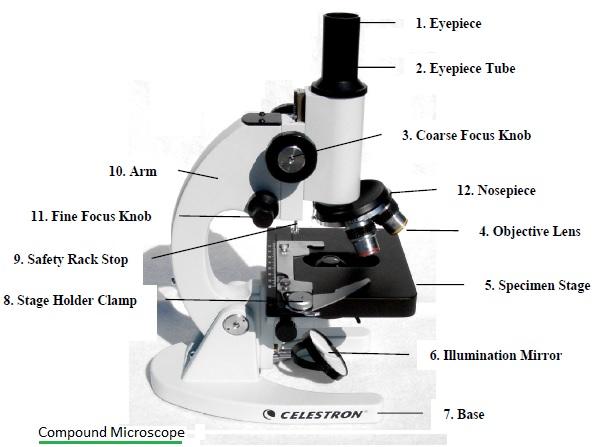
A microscope is a high-precision instrument that uses lenses, or a combination of lenses, to produce magnified images of small objects. These objects are often too tiny to be seen clearly with the naked eye. Microscopes often incorporate a light source, such as mirrors or lamps, to improve viewing. The process of using a microscope for investigation is called microscopy.
Microscopes have a wide range of applications:
There are two main types of microscopes:
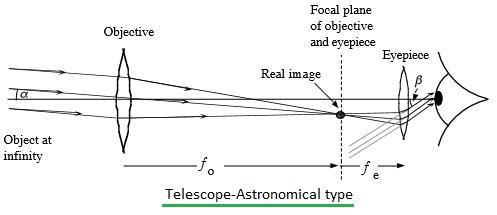
A telescope is an optical instrument that uses electromagnetic radiation, such as visible light, to observe remote objects. It typically consists of two main components: an objective lens or mirror, and an eyepiece. The primary function of a telescope is to increase the apparent size and separation of distant objects.
Telescopes come in various types, each designed to detect different wavelengths of electromagnetic radiation:
| Feature | Microscope | Telescope |
|---|---|---|
| Purpose | Magnifies small, near objects | Magnifies distant objects |
| Object Size | Very small objects | Very large, distant objects |
| Magnification | High, typically 40x-2000x | Variable, based on design. |
| Light Source | Often built-in light source | Usually collects available light |
| Main Use | Examining fine details | Observing celestial bodies |
In essence, microscopes and telescopes are both tools that extend our vision beyond the limitations of the naked eye, but they do so in opposite directions. Microscopes bring the very small into focus, while telescopes bring the very far closer to us.
Advertisement
Terminology
/General
Explore the distinct functions and applications of radiometers, spectrometers, and spectroradiometers in light measurement.
Articles
/General
Explore the fundamental differences between analog and digital oscilloscopes, focusing on their operational principles and display methods.
Equipments
/Electronics
Explore the basics of night vision technology and the different types of night vision devices, including goggles, cameras, binoculars, monoculars, and scopes.